
- Smart, Targeted Solutions: Modern waterproofing focuses on identifying the root cause, such as hydrostatic pressure or poor exterior drainage, to provide effective fixes without unnecessarily tearing up your entire basement.
- Range of Options: Solutions vary by disruption level, ranging from low-impact crack injections and gutter extensions to moderate interior drainage systems and high-impact exterior excavations.
- Professional Inspection is Key: A responsible plan starts with a thorough diagnostic check and clear communication, ensuring the chosen method is tailored to your home’s specific structural needs.
- Long-Term Protection: While DIY is possible for minor surface issues, professional waterproofing offers specialized tools and warranties that ensure a dry basement and peace of mind for years to come.
“I Don’t Want My Basement Torn Up”: Smart Waterproofing Explained
Many homeowners worry that fixing a leaky basement means a huge, messy project. They imagine their home being turned into a construction zone. It’s a common concern, but it doesn’t have to be that way.
A responsible waterproofing plan focuses on solving the problem effectively. This often means less disruption than you might think.
It’s about finding smart solutions, not just tearing things apart. The goal is to protect your home without turning your life upside down.
Why Basements Get Wet
Before we talk about fixing a wet basement, let’s understand why it happens. Water always finds the easiest way in.
- Cracks in Walls or Floors: Even very small cracks can let water seep into your basement.
- Poor Drainage Outside: If rain or melting snow collects around your home’s foundation, it will eventually push its way inside.
- Hydrostatic Pressure: This happens when water builds up in the soil around your basement. It presses hard against the walls, like a giant sponge squeezing your home.
- Leaky Pipes: Sometimes, the problem isn’t from outside at all. It could be a plumbing leak inside your home.
Finding the real reason your basement is wet is the first step to a permanent fix. A good waterproofing plan always starts with a careful check, not just guessing what’s wrong.
How A Responsible Waterproofing Plan Looks
A professional approach to waterproofing focuses on solving your specific problem. It prioritizes fixing the issue while causing the least amount of disruption to your home.
It’s about finding the right solution, not using a one-size-fits-all approach.
Step 1: The Thorough Inspection
This is the most important part of any good plan. A professional will carefully inspect your basement and the area around your home. They will:
- Check for cracks in your basement walls and floor.
- Examine your home’s foundation from the outside, if possible.
- Look at your gutters and landscaping to see how water drains.
- Test for moisture levels in different areas.
This detailed look helps pinpoint exactly where and why water is getting in. Think of it like a doctor figuring out the cause of a problem before suggesting a fix.
Step 2: Clear Explanations and Options
After the inspection, a good contractor will explain their findings in simple terms. They will avoid confusing industry words. You should expect to hear:
- What the problem is.
- Why it’s happening.
- What your options are for fixing it.
- How each option works and what to expect during the process.
You should feel like you completely understand the situation before making any decisions.
Step 3: Tailored Solutions, Not Just “Tearing Up”
Many homeowners worry that waterproofing means digging up their entire yard or breaking up their basement floor. While some solutions do involve these steps, many can be far less invasive.
The goal is always to use the least disruptive, yet most effective, method for your specific situation.
Here are some common, less disruptive solutions:
- Crack Repair: Small cracks can often be sealed from the inside. Special materials expand to stop water flow. This is a very targeted fix.
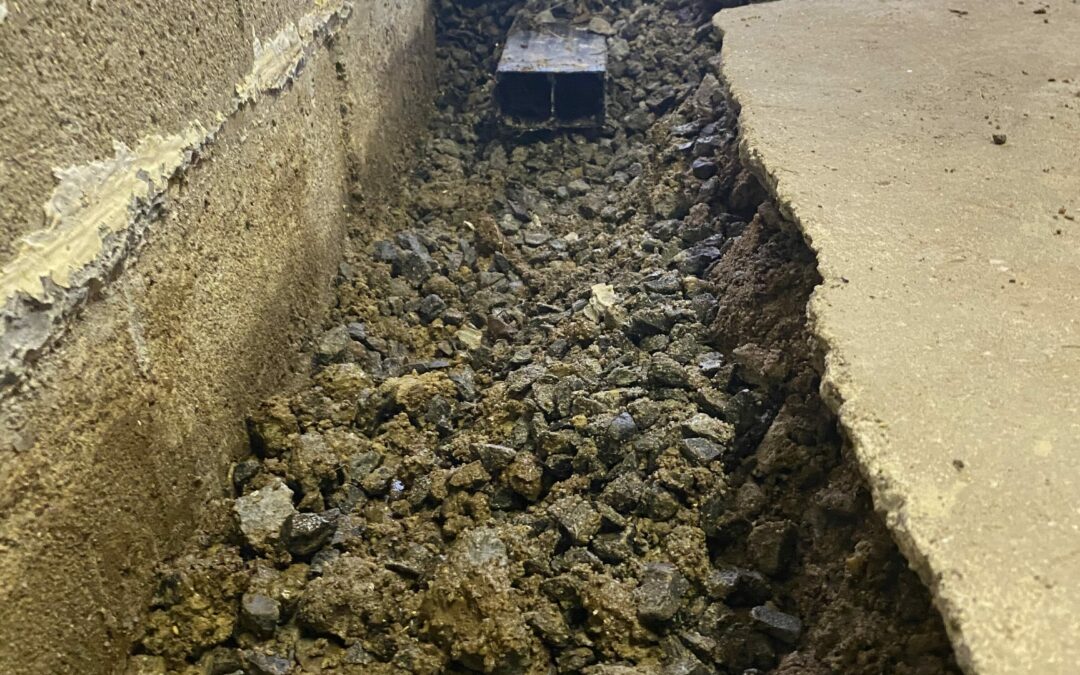
- Interior Drainage Systems: These systems collect water that seeps through basement walls. They direct it to a sump pump. This usually involves removing a small section of the floor perimeter, installing a drain, and then re-cementing it. It stays contained to the edge of the room.
- Sump Pump Installation: A sump pump automatically removes water from your basement. If you already have one, it might need an upgrade or a backup system.
- Exterior Drainage Improvements: Sometimes, the fix is simply redirecting your downspouts or improving the slope of the soil around your house. This prevents water from ever reaching your foundation.
- Vapor Barriers: For crawl spaces or damp basements without standing water, a heavy-duty plastic sheet can be installed. This “vapor barrier” blocks moisture from rising through the ground.
Comparing Common Waterproofing Solutions
Different basement problems need different solutions. Understanding your options helps you make the best choice for your home.
Here’s a look at common ways to waterproof a basement:
| Solution Type | How It Works | Typical Disruption Level | Best For |
|---|---|---|---|
| Interior Drainage System | This system collects water that seeps into your basement walls or floor. It guides the water into a special drain and then to a sump pump. The sump pump then moves the water safely out of your home. | Moderate. This involves creating a small trench around the inside edge of your basement floor. After installation, the floor is re-cemented, making it look like new. | Basements where water is coming through the walls or floors due to pressure from outside soil. |
| Exterior Excavation | This method involves digging up the soil around the outside of your foundation walls. Workers then clean and seal the walls, and install drains to direct water away. | High. There will be significant digging around your home. This can disrupt landscaping, driveways, and patios. | Homes with severe foundation leaks or specific issues where water is entering directly from the outside soil. |
| Crack Injection | For small, isolated leaks, a special material is injected directly into cracks in your basement walls or floor. This seals the crack and stops water from coming through. | Low. This is a very targeted repair. It focuses only on the specific cracked areas. | Basements with individual, non-structural cracks that are letting in water. |
| Sump Pump Installation or Upgrade | A sump pump is a device placed in a pit in your basement floor. It automatically turns on to pump out any water that collects there, preventing flooding. | Low. This involves installing the pump and its discharge line. It’s a localized job. | Homes that need to manage collected water, either from an interior drainage system or from general basement moisture, to prevent flooding. |
| Grading and Downspout Extensions | This involves changing the slope of the ground around your house so that rainwater flows away from your foundation. Downspout extensions direct water from your roof far away from your home. | Low to Moderate. This primarily involves landscaping work around your home. | Addressing surface water issues. This prevents rain and melting snow from pooling near your foundation and seeping into your basement. |
Why Choosing the Right Professional Matters
You might still worry about your basement being “torn up.” This is where choosing the right professional truly helps.
A reliable company focuses on effective solutions with less mess. They should:
- Have Experience: Look for companies with a long history in your area. They understand local soil and weather conditions.
- Offer Clear Communication: They should explain everything simply. They will answer all your questions.
- Provide Detailed Estimates: You should get a written estimate. It must clearly outline the work, materials, and costs.
- Focus on Lasting Solutions: A good contractor wants to fix the problem once. They do not just offer a temporary fix.
A truly responsible waterproofing plan does more than patch a leak. It addresses the root cause of the problem. This ensures your home stays dry for years to come. Often, it causes far less disruption than homeowners expect.
What Happens During the Waterproofing Process?
Even with less invasive methods, some work is involved to fix your basement. Here is a general idea of what to expect from a professional team.
Step 1: Preparing Your Home
First, the crew will protect your belongings. They will lay down coverings to keep your home clean during the work.
Step 2: Doing the Work
Next, the team will perform the waterproofing solution. This might involve sealing cracks in your walls, installing new drainage systems, or working on your sump pump.
The exact work depends on what your basement needs to stay dry.
Step 3: Cleaning Up
A professional team will always clean up thoroughly after the job is done. They will leave your home tidy, so you don’t have to worry about a mess.
Step 4: Follow-Up and Maintenance
Finally, the team should explain any warranties that come with the work. They will also provide advice on how to maintain your new waterproofing system.
The goal is to complete the work efficiently and with minimal fuss. This way, you can quickly get back to enjoying your dry basement.
Common Questions About Basement Waterproofing
How long does basement waterproofing usually take?
The time needed depends on the specific issue and the chosen fix. Simple crack repairs might only take a few hours.
A complete interior drainage system could take a few days. Your contractor should give you a clear timeline when they provide your estimate.
Can I use my basement during the waterproofing process?
For most interior work, some parts of your basement might be temporarily blocked off. It might also be a bit dusty.
However, a good crew will work to keep disruptions to a minimum. You should still be able to access other areas of your home. They will also clean up daily.
What if the problem comes back after the work is done?
Reputable waterproofing companies offer warranties on their work and materials. These warranties protect your investment.
Always make sure you understand what your warranty covers before the project starts. This gives you peace of mind that the solution is built to last.
Is basement waterproofing a do-it-yourself (DIY) project?
Some very minor issues, like small surface cracks, might be fixed by a handy homeowner. However, most basement waterproofing problems are more complex.
They often need special knowledge, tools, and materials for a lasting repair. Trying to fix a big problem yourself can often lead to bigger, more expensive issues later on.
How much does basement waterproofing cost?
The cost changes a lot. It depends on the size of your basement, how bad the problem is, and the solution you choose.
The best way to get an exact cost for your situation is through a professional inspection and a detailed estimate. Focus on the value of a long-term solution, not just the lowest price.
