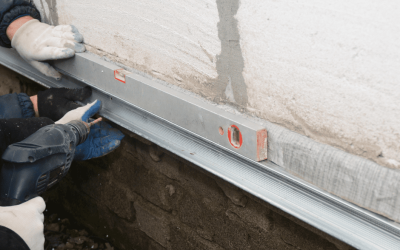
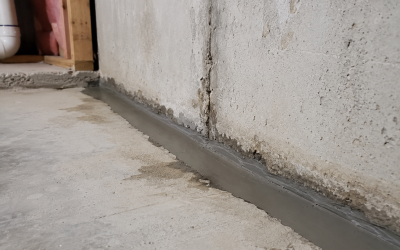
Water at the Wall-Floor Joint Usually Has a Bigger Cause One of the most common places homeowners notice water is where the basement wall meets the floor. It may start as a damp spot after heavy rain or a small puddle in the corner, but that joint is often the first...
How Gutters and Downspouts Help Prevent Basement Water Problems
The First Line of Defense Against a Wet Basement When homeowners think about basement waterproofing, they usually picture sump pumps or interior drainage systems. But one of the most important waterproofing systems is actually attached to your roof. Gutters and...
Bought a Home With a Sump Pump? Here’s What to Check First
Your Basement Protection Starts on Day One Buying a home is exciting, but if the house has a sump pump, it's worth taking a closer look before the next heavy rain. Many homeowners assume the system is working simply because it's there. Unfortunately, that's not always...
Basement vs. Crawlspace Moisture: Where Water Problems Begin
If you've noticed a damp basement, musty odors, or high humidity inside your home, it's easy to assume the problem is limited to one area. In reality, moisture often starts below your home and gradually spreads upward. Whether it begins in the basement or the...
Crawlspace Encapsulation: How It Stops Moisture and Cold Floors
If you've noticed cold floors during the winter, musty odors that never seem to go away, or excess moisture in your home, the problem may be hiding beneath your feet. Many homes throughout New Hampshire and Massachusetts have crawlspaces that allow moisture, humid...
What a Smart Waterproofing Plan Looks Like
TL;DR Smart, Targeted Solutions: Modern waterproofing focuses on identifying the root cause, such as hydrostatic pressure or poor exterior drainage, to provide effective fixes without unnecessarily tearing up your entire basement. Range of Options: Solutions vary by...