
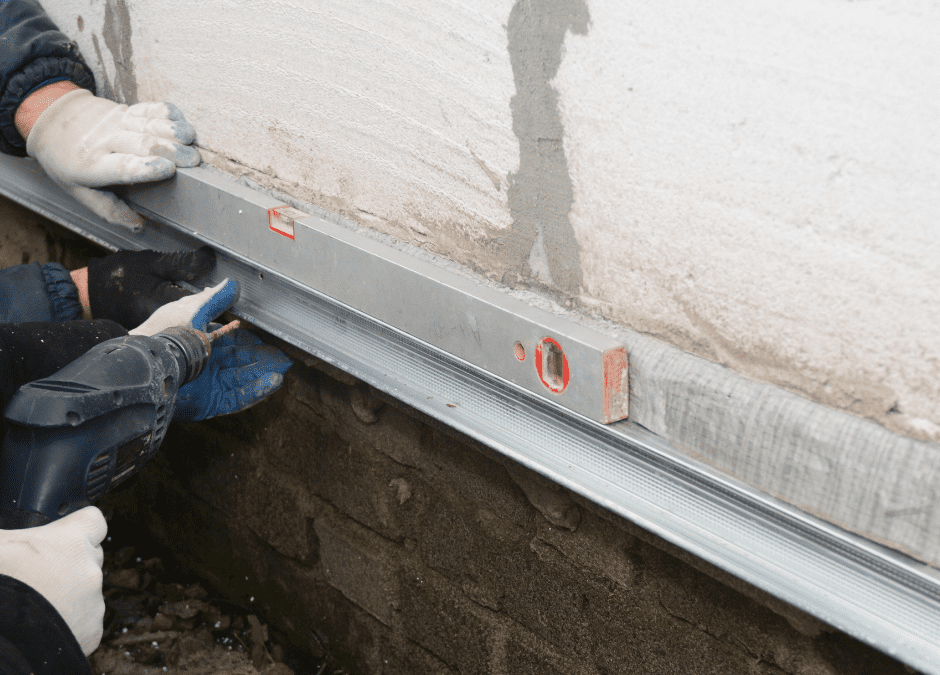
Welcome to our blog post, ‘Budget-Friendly Basement Tips: How to Waterproof Without Breaking the Bank’. At Reliable Basement Waterproofing, we understand the importance of safeguarding your home, especially your basement. Waterproofing is often perceived as a costly endeavor, but we’re here to offer you easy and affordable ways to protect your basement from water damage without stretching your budget. Dive into our practical and economical guide and discover how you can keep your basement dry and safe without emptying your wallet. For more expert advice and services, visit us at Reliable Basement Waterproofing.
Understanding Basement Waterproofing: The Basics and Importance
Basement waterproofing is a critical aspect of home maintenance that often goes underrated until the signs of water intrusion become apparent. It involves techniques and materials used to prevent water from penetrating a house’s basement. By performing this crucial procedure, homeowners protect their property from serious damage, such as mold growth, structural instability, and decreased home value.
There are two primary types of waterproofing: interior and exterior. Interior waterproofing, also known as water control, manages the water that has entered your home, steering it away without letting it cause damage. On the other hand, exterior waterproofing stops water before it enters the home, often using barrier materials, drains, and pumps.
Understanding the importance of waterproofing your basement extends beyond just keeping your possessions dry. A sound waterproofing system mitigates the risk of structural damage caused by water seepage. Moreover, it prevents the growth of mold and mildew that can lead to health problems for your family. Furthermore, a dry, well-maintained basement enhances your home’s value, piquing the interest of potential buyers should you decide to sell your property.
Versatile, Low-Cost Materials for Basement Waterproofing
When considering waterproofing your basement, one aspect that may cause concern is the cost. However, there are many versatile, low-cost materials available that can effectively waterproof your basement without breaking the bank.
One such material is a waterproofing primer or paint. This material can be applied like regular paint but contains a waterproofing compound that creates a barrier against moisture. It is cost-effective and easy to apply, making it a good initial step in the process of waterproofing.
Another affordable and efficient option is the installation of a sump pump. They work by collecting excess water in your basement and pumping it outside your home, keeping the area dry. While there’s an upfront investment, the benefits in terms of saved repair costs and peace of mind can be notably worthwhile.
Applying a sealant on the interior of your basement is another inexpensive solution. Sealants bond with concrete to form a waterproof barrier and help reduce the dampness on basement walls and floors. They can also fill cracks and crevices where water can seep in.
In conclusion, investing in basement waterproofing need not be a financial burden. With the right materials and a good plan, you can achieve a dry, safe, and comfortable basement even on a budget. Remember, the goal is not only to protect your home from the damaging effects of water but also to preserve its value and enhance your living experience.
Step-by-Step Guide to Waterproof Your Basement Yourself
Basement waterproofing is a process that can be quite an undertaking, but with a little guidance, you can take it on all by yourself.
Step 1: Identify the source of the problem
Begin by figuring out what’s causing the water leakage into your basement. This could be anything from cracks in the walls, floors, or around windows, poor drainage patterns, or issues with your home’s sump pump.
Step 2: Choose your waterproofing method
There are several different methods for waterproofing a basement — these include interior water drainage, exterior waterproofing, and the use of sealants and coatings. Each has its own pros and cons and their usefulness will largely depend on the nature of the problem and your home’s specific needs.
Step 3: Gather your materials
Once you have chosen your method of waterproofing, you will need to gather all necessary materials. This could include everything from concrete sealers and waterproofing paint to drain tile and sump pumps.
Step 4: Prep your basement
Before you begin the process of waterproofing, you’ll need to clear out any debris and properly clean the areas you intend to waterproof. It may also involve fixing any foundational cracks with hydraulic cement before proceeding.
Step 5: Apply your chosen waterproofing method
Whether it’s applying sealant, setting up a drainage system, or installing a sump pump, this step will involve the most labour. Remember, applying multiple coats of sealant or waterproofing paint may be necessary for complete coverage.
Step 6: Maintenance
Even after you’ve waterproofed your basement, maintenance is important. Regularly check for signs of wear and tear to ensure your efforts remain effective.
Budget-Friendly Professional Basement Waterproofing Services
If DIY methods seem too daunting or your basement’s water issues are extensive, professional basement waterproofing services are a cost-effective solution.
When looking for budget-friendly options, consider local services. Local contractors often offer competitive pricing and sometimes offer discounts for homes in their locality. Additionally, compare prices from different providers adequately before making a choice.
Opt for companies that offer warranties or guarantees on their services. This can save costs in the long run as these firms would be liable for any need for rework, without you having to pay any additional fees.
Before hiring, make sure you fully understand what their service includes. Some companies might offer a low initial quote but might charge extra for additional services like basement cleanup or mold remediation. Are they just sealing cracks or will they properly redirect water to prevent future problems?
Lastly, even though your focus is budget-friendly services, don’t compromise on the quality. Remember, poor waterproofing can lead to extensive damage down the line which can cost significantly more to fix. Thus, sometimes spending a bit more upfront for good quality work can save you from larger expenses in the future.
Remember, basement waterproofing isn’t just a one-off process, but a long-term investment in the health and value of your home. So, whether you choose to do-it-yourself or hire professionals, research well, select the right materials, and follow through with proper maintenance. Your efforts will pay off with a dry, safe, and usable basement.
Long-term Cost Savings of Basement Waterproofing
If you are debating whether to waterproof your basement, it’s important to consider the long-term cost savings involved. Many homeowners overlook the significant financial advantages that come with basement waterproofing, focusing primarily on the initial expense. However, when you delve into the financial benefits it offers in the long run, the investments start to make a lot of sense.
Initially, waterproofing your basement can prevent potentially disastrous and costly damages from occurring due to water leakage or flooding. Often, basement water damages not only the foundation but also furniture, electronic equipment, and other valuable personal belongings. Proactively waterproofing your basement can save thousands of dollars in total repair and replacement costs.
Secondly, a damp and wet basement promotes the growth of mold and mildew, which can lead to health issues for the residents, resulting in hefty medical bills. Waterproofing eliminates dampness, thereby providing health benefits and reducing medical expenses.
Also, a waterproofed basement significantly increases your property’s overall value. If you ever decide to sell your home, a waterproof basement could potentially increase the resale value by 25% to 30%. Investing in basement waterproofing now can turn out to be a profitable decision later.
Lastly, the cost of your homeowner’s insurance might decrease. This is due to the reduced risk of damage that waterproofing your basement offers. Floods are the most frequently filed insurance claim and having a waterproofed basement will likely reduce your insurance costs.
Beneficial Tips to Maintain and Enhance Basement Waterproofing on a Budget
Basement waterproofing is undoubtedly an important investment for any homeowner, but maintaining it doesn’t have to be costly. Here are a few budget-friendly tips to ensure that your basement stays dry and continues to add value to your home:
- Regular Inspection: Checking your basement regularly for any signs of potential damage can help catch problems early, before they become more expensive to repair. Make a habit of inspecting walls, floors, and ceilings for any cracks or leaks and address any issues promptly.
- Keep Gutters Clean: Clogged gutters can cause water to spill over and build-up around your home’s foundation, leading to basement leaks. By keeping them clean, you can protect your basement waterproofing measures and save money in the long run.
- Proper Landscaping: Inadequate landscape grading can cause water to flow toward your house rather than away from it. Ensure your yard slopes away from your house to prevent potential damage to your basement waterproofing efforts.
- Sump Pump Maintenance: If your home has a sump pump, ensure that it’s in good working condition by testing it regularly. A failing sump pump could lead to basement flooding, undermining your waterproofing. Keeping it in top shape is key to maintaining your dry basement.
With these beneficial tips in mind, maintaining and sustainably enhancing your basement waterproofing will not be a burden on your budget. Remember, it’s always better to prevent rather than face major repair costs down the line.
Conclusion
Basement waterproofing is an essential aspect of home maintenance with undeniable significance. It not only plays a crucial role in preserving the structure and integrity of your home but also enhances its market value. Starting with a basic understanding of basement waterproofing, it’s clear that a well-protected basement can prevent numerous problems, from mildew buildup to severe structural damage.
Thanks to versatile and low-cost materials readily available in the market, homeowners now have the option to efficiently waterproof their basements themselves. While the task might seem daunting at first, a well-illustrated step-by-step guide can effectively equip the average homeowner to manage the job with confidence.
However, if tackling the project yourself seems overwhelming, budget-friendly professional services are available. Professionals bring expertise to the table and can save you from potential costs associated with trial and error.
When considering the financial implications of basement waterproofing, a long-term perspective highlights the viable cost savings. These savings stem from preventing potential structural repairs, reducing frequent maintenance needs, and even lowering insurance premiums.
Maintaining a waterproofed basement is essential to prolong its life and effectiveness while being cost-conscious. Simple, budget-friendly tips like proper gutter maintenance, regular leak inspections, and ensuring a slope away from your home can significantly enhance the longevity of your basement’s waterproofing.
In summary, basement waterproofing is a proactive approach to maintaining the overall quality, safety, and value of your home. Whether you choose a DIY project or seek professional help, the cost-effectiveness of this home improvement measure is undeniable in the long run. Remember to reinforce your efforts with maintenance tips to maximize your investment’s return. For more expert advice and services, visit us at Reliable Basement Waterproofing.
